Digital Product Engine review: is DPE Starter a good fit? This tool helps creators sell digital files with less stress. You can build a store, manage downloads, and track sales in one place. Many beginners find it easy to use and budget friendly. It may be a smart choice if you want simple automation and steady growth.
Selling digital products can feel exciting and confusing at the same time. You have the creative part, the pricing part, and the tech part. That is a lot for one person. A tool like Digital Product Engine promises to make the tech part easier. In this Digital Product Engine review, we will look at whether DPE Starter is a good fit for your shop.
If you are just starting out, you do not need a giant system with endless settings. You need something simple, stable, and easy to understand. You also want to save time so you can focus on making good files and reaching buyers. That is where a starter plan can help. It should handle the basics well, without making you learn a new language.
This article breaks the tool down in plain language. We will talk about setup, pricing, automation, design, support, and growth. You will also see who should use it, who should skip it, and what to watch for before you commit. By the end, you should know if this is the right match for your goals.
Key Takeaways
- Simple setup: DPE Starter helps you launch a digital store without heavy technical work.
- Good for beginners: The interface is clean, clear, and friendly for new creators.
- Strong automation: Delivery, payments, and basic tracking can run on autopilot.
- Affordable starting point: The starter plan suits small shops and solo creators.
- Customization limits: Advanced branding and scaling may require upgrades later.
- Better with solid products: The tool works best when your files and pricing are well planned.
- Worth a trial: Test it with one product first to see if it matches your workflow.
📑 Table of Contents
- What Is Digital Product Engine and Who Is It For?
- Digital Product Engine Review: Is DPE Starter a Good Fit for Beginners?
- Core Features That Matter Most in This Digital Product Engine Review
- Ease of Use, Setup, and Daily Workflow
- Pricing, Value, and Whether Starter Is the Right Tier
- Design, Customization, and Brand Feel
- Support, Reliability, and Real-World Use
- How to Decide If DPE Starter Is the Right Choice for You
- Final Thoughts on This Digital Product Engine Review
- Key Takeaways
What Is Digital Product Engine and Who Is It For?
Digital Product Engine is built to help creators sell files, templates, guides, and other digital items online. The idea is simple. You upload your product, set a price, and let the system handle the rest. That rest usually includes checkout, delivery, and basic order management. For many sellers, that is a huge weight off their shoulders.
The DPE Starter plan is aimed at people who want a practical entry point. It is for solo creators, small shop owners, and testers who do not want to overcomplicate things. If you are selling a few products at first, this kind of plan can be enough. It gives you the core tools without forcing you into a huge bundle of features you may not use yet.
Who tends to benefit most?
This tool is a strong match for people who value simplicity. It can help if you want to launch quickly and keep your workflow clean. It may also suit creators who do not have a dedicated tech person. In that case, a friendly interface matters a lot. You want to spend your energy on product quality, not troubleshooting.
It can also be useful if you are moving from manual delivery to automated sales. Maybe you used to send files by email after every purchase. That works for a while, but it gets tiring fast. A system that delivers files automatically can save time and reduce mistakes. That alone can make the tool feel worthwhile.
Who may want something else?
If you need deep custom design, complex bundles, or advanced subscription features, you may outgrow a starter plan quickly. If your business model depends on complicated pricing rules, this may not be your best first choice. The same is true if you need very detailed reporting or heavy integration with other tools. In those cases, you may want a more flexible platform from the start.
Still, that does not mean the tool is weak. It means different tools serve different stages. A starter plan should help you begin, not do everything. If your goal is to start small and improve step by step, this can be a sensible path.
Quick Tip
Start with one strong product instead of uploading ten average ones. A single good item is easier to test, easier to improve, and easier for buyers to understand.
Digital Product Engine Review: Is DPE Starter a Good Fit for Beginners?
This is the big question. Many people want to know if the tool is friendly enough for a first-time seller. In a Digital Product Engine review, ease of use usually matters just as much as features. If a platform is powerful but confusing, it can slow you down. If it is simple but limited, it can still be useful for a while.
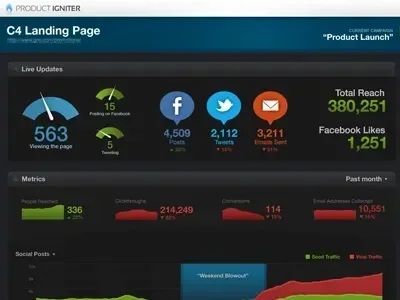
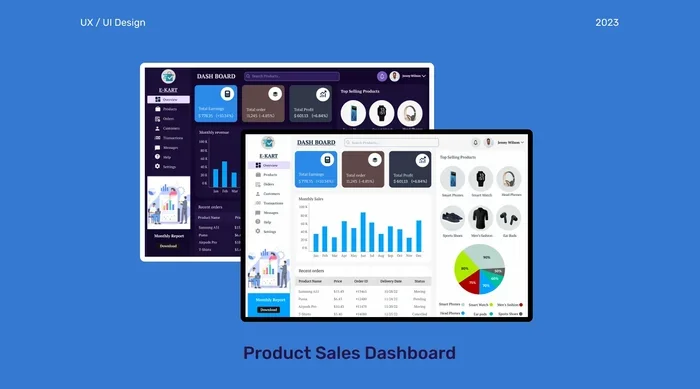
Visual guide about digital product launch dashboard
Image source: cdn.dribbble.com
From a beginner standpoint, DPE Starter looks appealing because it reduces friction. You should be able to move from idea to launch without jumping through too many hoops. That matters because momentum is important when you are building a shop. The faster you can test your first sale, the faster you learn what buyers want.
Why beginners often like starter plans
A good starter plan usually gives you the essentials in a clear layout. You should be able to create a product page, set a price, and publish without guesswork. You also want obvious buttons and helpful labels. When things are easy to find, you make fewer mistakes. That saves time and lowers frustration.
Another plus is lower risk. Starting small means you do not have to commit to a large monthly cost before you know what works. That is smart when you are still testing your niche. You can validate your idea, then decide whether to expand. This approach is often better than buying a big system too early.
Where beginners should be careful
Even a good starter plan has limits. You may not get every feature you see in higher tiers. You may also find that some design choices are fixed. That is not necessarily a problem, but it is something to expect. If you want full creative control right away, you may feel restricted.
Also, a tool can only do so much. If your product is unclear, your page may still underperform. If your price is off, sales may be slow. If your file quality is weak, the platform cannot fix that. So a beginner should focus on both the tool and the offer. The tool helps with delivery and sales. The offer drives interest and trust.
Common Mistake
Many new sellers buy a platform before defining their customer. They assume the tool will bring sales on its own. In reality, the tool helps fulfill demand. It does not replace a good offer, clear messaging, or basic marketing.
Core Features That Matter Most in This Digital Product Engine Review
When people read a Digital Product Engine review, they usually want to know what the tool actually does well. The list of features can look long, but not every feature matters equally. For a starter plan, the most important things are usually product delivery, checkout, basic analytics, and ease of management. Those are the pieces that affect your day-to-day work.
Let’s walk through the kinds of features that often matter most for digital sellers.
Product delivery and file management
This is the heart of any digital shop. Buyers want a smooth download experience. You want files delivered correctly without manual work. A good system should handle this in a reliable way. It should also make it easy for you to update files when needed. If a product changes, you do not want to redo everything from scratch.
File organization matters too. If you sell more than one item, you want a clean way to keep things sorted. That becomes more important as your library grows. Even in a starter plan, basic order history and product management should feel orderly and predictable.
Checkout and payment flow
A smooth checkout can make a real difference. Buyers often leave when the process feels clunky. You want a simple path from product page to payment. Clear buttons, simple forms, and a trustworthy feel all help. If the checkout is confusing, people may hesitate even if they like the product.
Payment options also matter. Different buyers prefer different methods. If the tool supports common choices, that can widen your reach. It also reduces friction for people who already have a preferred payment style. In a starter plan, you may not get every possible option, but the basics should work well.
Basic reporting and sales tracking
You do not need a giant dashboard to start. You do need enough information to understand what is happening. At minimum, you want to know what sold, when it sold, and how much you earned. That helps you spot patterns early. It also helps you decide whether a product is worth improving or replacing.
Simple reporting can be a blessing. Too much data can feel overwhelming. Too little data leaves you guessing. A good starter setup usually sits in the middle. It should give you a clear picture without forcing you to study a spreadsheet every day.
Expert Insight
Do not chase every feature. Focus on the ones that save time or reduce errors. If a feature does not help you sell, deliver, or understand results, it may be nice to have but not essential.
Ease of Use, Setup, and Daily Workflow
A platform can look good on paper and still feel awkward in real use. That is why daily workflow matters. In this part of the Digital Product Engine review, we should think about the actual experience of using the tool week after week. Setup is one thing. Ongoing use is another. Both affect whether the tool is a good fit.
Setup should feel manageable. You should be able to create an account, add a product, and publish without needing a manual the size of a book. That does not mean every step will be perfect. It means the process should be logical. You should know where to click, what to fill in, and what happens next.
What a smooth workflow looks like
In a smooth setup, the tool guides you in a natural order. You upload the file, write the description, set the price, and finish the product page. After that, you can test the purchase flow. That test step is important. It helps you catch issues before real customers do.
Once the shop is live, daily work should stay simple. You should be able to check orders, review delivery status, and make small updates without stress. If you need to change a price or fix a description, that should not feel like a project. The easier the maintenance, the more likely you are to keep the shop active.
Where friction can appear
Some platforms are easy at first but get messy later. That can happen if menus are unclear or if settings are scattered. It can also happen if updates require too many steps. Even small annoyances add up over time. When that happens, a tool that seemed simple starts to feel heavy.
Another source of friction is poor previewing. If you cannot easily see what the buyer sees, you may miss mistakes. That can affect trust and conversion. A good workflow should let you check the buyer experience without guesswork.
Quick Tip
After setup, buy your own product as a test. This helps you see the checkout and delivery experience from the customer side. It is one of the easiest ways to catch problems early.
Pricing, Value, and Whether Starter Is the Right Tier
Price is a major part of any Digital Product Engine review. A tool can be excellent, but if it costs too much for your stage, it may not be the best choice. On the other hand, a cheaper plan can be a smart starting point if it covers the essentials. The real question is value, not just cost.
The DPE Starter tier is usually meant to be an entry level option. That means it should cover the basics at a manageable price. For many small creators, that is exactly what they need. They do not need every advanced feature on day one. They need a working shop and a reliable delivery process.
How to judge value
Start by asking what you get for the price. Does the plan support the number of products you expect to sell? Does it handle the traffic you anticipate? Does it include the delivery and checkout features you need? If the answer is yes, the plan may be a solid fit.
Also think about time savings. If the tool saves you several hours a week, that may be worth more than a small monthly difference. Time is real money for solo creators. A plan that reduces manual work can pay for itself faster than you expect.
When starter is enough
Starter is often enough when you are validating an idea. It can also be enough if you sell a small catalog and want to keep operations simple. If you are testing one niche, one format, or one audience, you may not need a larger setup yet. In that case, the starter plan gives you a low-pressure way to learn.
When you may need more later
You may need to upgrade if your product line grows quickly. You may also need more flexibility if you add memberships, complex bundles, or advanced marketing tools. That is not a failure of the starter plan. It is just a sign that your business has changed. Good tools often grow with you, but not all starter plans scale in the same way.
Common Mistake
Do not choose a plan based only on the lowest price. A cheap plan that misses key features can cost more in time and fixes later. Compare what is included, not just the number on the page.
Design, Customization, and Brand Feel
People notice how a shop looks. You do not need a fancy design to sell well, but you do need a clean and trusted feel. In a Digital Product Engine review, design is worth discussing because it affects perception. A buyer should feel comfortable clicking purchase. A messy page can create doubt, even if the product is good.
A starter plan may give you a decent base design. That can be enough if your goal is function first. You may be able to adjust the basics, like product details, images, and layout order. Those changes can make your shop feel more personal without requiring advanced design work.
What matters most in design
Clarity matters more than decoration. Buyers want to understand what they get, what it costs, and how it works. Good product descriptions help. Clear images help too. If the page is easy to scan, people can make decisions faster. That usually improves the experience for everyone.
Trust also comes from consistency. Your shop should feel organized. The same style should appear across products where possible. That does not mean every page must be identical. It means the shop should feel intentional. A messy shop can make buyers think the product is messy too.
Customization limits to expect
With a starter plan, you may not get full control over every visual detail. You may not be able to change everything about the layout or add advanced branding touches. For many sellers, that is fine at first. For others, it can feel limiting. If brand expression is a top priority, you should test the design options before committing.
A practical approach is to focus on the parts that matter most to buyers. Strong product images, clear copy, and a simple purchase path usually do more than flashy design. If the platform supports those basics, you can still build a credible shop.
Support, Reliability, and Real-World Use
Support matters more than people expect. When something goes wrong, you want help that is clear and timely. In a Digital Product Engine review, it is smart to consider not just features, but also how the tool behaves in real life. A shop that runs smoothly most days is still not enough if problems leave you stuck.
Reliability is the baseline. The shop should stay available. Purchases should process properly. Deliveries should not fail without reason. These things may seem basic, but they are essential. If a platform is unreliable, even a great product can suffer.
What good support looks like
Good support should be reachable through channels that make sense for you. It should also offer clear answers, not vague replies. If you are a beginner, you may appreciate guidance that is easy to follow. If you are more experienced, you may care more about speed and precision. Either way, support should reduce stress, not add to it.
Documentation can also be part of support. Clear help articles or setup guides can save you from waiting on a reply. That is especially useful for common questions. If the tool explains things well, you can solve small issues on your own and move on.
Real-world usage tips
In practice, many sellers do best when they keep things simple at first. Use one clear product page. Test the purchase flow. Check that downloads work. Then watch how buyers respond. Real usage often reveals small issues that look minor during setup. That is normal. The key is to catch them early.
It also helps to keep backups of your files and copies of important product text. Even if the platform is stable, it is wise to stay organized. That way, if you need to move or rebuild something later, you will not start from zero.
Expert Insight
Treat your first month as a learning phase. Track what confuses buyers, what questions they ask, and where they drop off. Those clues are often more valuable than a long feature list.
How to Decide If DPE Starter Is the Right Choice for You
By now, you probably see that the answer depends on your situation. A Digital Product Engine review can point out strengths and limits, but your needs come first. The best choice is the one that matches your stage, your product, and your comfort level with tech.
Here is a simple way to think about it.
Choose DPE Starter if:
- You want a simple way to sell digital files without heavy setup
- You are launching your first product or testing a new idea
- You value time savings and basic automation
- You prefer a manageable starting cost while you learn
- Your shop needs are still straightforward
Think twice if:
- You need advanced customization right away
- Your model depends on complex pricing or bundles
- You expect heavy reporting or deep integrations immediately
- You want full control over every design detail from day one
If you are somewhere in the middle, a starter plan can still make sense. You can begin simple and upgrade later if your shop grows. That is often the most balanced path. It lets you learn without overcommitting.
Final Thoughts on This Digital Product Engine Review
So, Digital Product Engine review: is DPE Starter a good fit? For many beginners and small creators, yes, it can be. It offers a practical way to sell digital products without making the process overly complicated. If your main goal is to launch, deliver files, and start learning from real buyers, the starter plan may be enough to get moving.
The bigger picture is this: the tool is only part of the equation. Your product quality, your messaging, and your consistency matter just as much. A good platform can make the process smoother, but it cannot replace a strong offer. If you combine a solid product with a simple, reliable shop, you give yourself a much better chance of success.
If you want a low-friction starting point, DPE Starter deserves a serious look. Test it with one product, check the buyer experience, and see if the workflow feels right for you. That practical test will tell you more than any feature list ever could.
Key Takeaways
- Start simple: A starter plan works best when you want a clean, manageable shop.
- Test the buyer journey: Run a real purchase test to catch setup issues early.
- Focus on the offer: A good tool helps, but product quality and clarity still drive sales.
- Watch the limits: If you need advanced features later, plan for a possible upgrade.
- Judge value, not just price: Time saved and mistakes avoided can matter more than a low monthly cost.
Frequently Asked Questions
Is Digital Product Engine good for selling digital downloads?
Yes, it is designed to help creators sell digital files with less manual work. It can handle product setup, checkout, and delivery in a simple way. That makes it a practical option for downloads, templates, and similar items.
Can a beginner use DPE Starter without much technical skill?
Usually, yes. Starter plans are often built to be easier for new sellers. You should still spend time learning the setup, but the process is meant to be approachable. Testing your first product carefully will help a lot.
What kinds of digital products work best with this tool?
Clear, self-contained files tend to work well. Examples include guides, templates, printables, and small creative assets. Products that need heavy explanation or complex access rules may need more planning.
Does the starter plan include everything I need to launch?
It usually covers the core basics, but not every advanced feature. For a small shop, that can be enough. If you need more design control or advanced sales tools, you may want to compare higher tiers.
How do I know if DPE Starter is worth the cost?
Compare the plan features with your actual needs. If it saves you time, reduces manual delivery, and helps you sell cleanly, it may be worth it. If you only need a very simple solution, make sure you are not paying for features you will not use.
Should I start with one product or many?
Starting with one strong product is often the smarter move. It is easier to test, easier to improve, and easier for buyers to understand. Once that product performs well, you can add more with more confidence.