If you are searching for what is Digital Product Engine, you are likely looking for a simple way to sell digital files online. The DPE Starter plan gives new creators a low-risk entry point to test ideas, build an audience, and start earning without heavy upfront spending. This guide breaks down the platform, the starter tier, and the exact steps to launch your first product today.
This is a comprehensive guide about What is Digital Product Engine—and what is DPE Starter?.
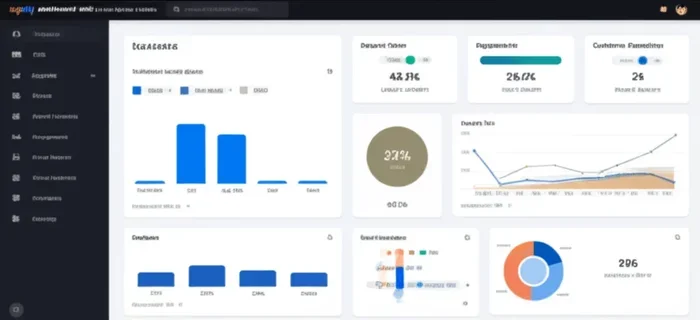
Visual guide about digital product engine dashboard
Image source: cipay.ai
Key Takeaways
- What is Digital Product Engine: It is an all-in-one platform that helps creators build, host, and sell digital files like ebooks, templates, and courses.
- DPE Starter plan: This entry-level tier removes high monthly fees so beginners can validate ideas before scaling.
- Low startup cost: You can launch a storefront, upload products, and start accepting payments without expensive software.
- Built-in marketing tools: The platform includes email capture, sales pages, and basic automation to help you grow faster.
- Easy file delivery: Customers get instant access after purchase, which improves buyer trust and reduces support questions.
- Scalable pricing: You can start small and upgrade as your revenue grows, keeping your business lean early on.
- Best for beginners: If you want a straightforward path to selling digital goods, this setup removes technical friction.
[FEATURED_IMAGE_PLACEHOLDER]
What Is Digital Product Engine And Why It Matters
If you have been looking into online business, you have probably heard people talk about selling digital goods. The idea is simple. You create a file once. You sell it many times. You keep more profit because there is no shipping and very little overhead. That sounds great, but the hard part is setting up the system. You need a storefront, a payment method, a delivery system, and a way to collect emails. That is where a platform like Digital Product Engine comes in.
So, what is Digital Product Engine exactly? It is a tool built to help creators sell digital files without juggling five different apps. You can upload a product, write a sales page, connect a payment processor, and send the file to buyers automatically. For many people, that removes the technical headache that stops good ideas from ever launching. The platform is designed for folks who want to focus on creating value, not wrestling with code.
This matters because the digital product space keeps growing. People buy guides, templates, printables, presets, mini-courses, and cheat sheets every day. They want fast access and a smooth checkout. If your setup feels clunky, they leave. A clean, focused system helps you keep more of those buyers. It also helps you look professional even if you are just starting out.
Another reason this matters is cost. Many popular store platforms charge monthly fees that feel heavy when you have no sales yet. A starter-friendly option changes that math. You can test a product, gather feedback, and improve before you commit to a bigger spend. That is a smarter way to build a side income or a full-time shop.
Here is what a basic digital product business usually needs:
- A place to display your product
- A secure way to take payments
- Automatic file delivery after purchase
- A simple method to collect customer emails
- A plan to drive traffic to your offer
When those pieces work together, you spend less time on admin and more time on creation and marketing. That is the real value of using a dedicated engine instead of patching together random tools.
Who This Platform Is Best For
This kind of system is a strong fit for creators who want control without complexity. It works well for writers, designers, coaches, teachers, and hobbyists who have knowledge or files to share. It also suits people who want to test multiple product ideas quickly. If you like trying small offers and improving them based on real buyer feedback, this approach is very practical.
It may not be the best choice if you need a massive custom marketplace or advanced multi-vendor features. For most individual creators and small teams, though, it covers the core needs very well.
Quick Tips For Getting Started
- Start with one clear product idea instead of five half-finished ones.
- Pick a file type you can create fast, like a PDF guide or template.
- Use simple language on your sales page so buyers understand the value immediately.
- Test your checkout flow before you announce anything publicly.
Understanding The DPE Starter Plan
If you are new to this space, the DPE Starter plan is probably the tier you want to review first. A starter plan is built for low-risk testing. It usually gives you enough tools to launch a small store, upload a few products, and start collecting payments without a huge monthly bill. That matters because early-stage creators often do not know which product will sell yet.
The main appeal of DPE Starter is flexibility. You can try a product idea, see how people respond, and adjust your messaging or pricing. If the offer gains traction, you can grow from there. If it does not, you have not tied yourself to a heavy contract or a costly setup. That makes the starter path especially useful for side hustles and first-time sellers.
A good starter plan should also keep the essentials front and center. You want a storefront, product hosting, checkout, and delivery. You also want basic customization so your page does not look generic. When those pieces are included, you can focus on writing better copy, improving your file, and driving traffic.
What A Starter Plan Usually Includes
While features can vary, a solid starter setup often covers the core selling workflow. Here is what many beginners look for:
- Product upload and file storage
- A simple sales page builder
- Checkout and payment processing
- Automatic delivery after purchase
- Basic branding options
- Simple analytics or sales tracking
If you compare this to building your own stack, the difference is huge. A DIY setup might require separate tools for forms, payments, email, and file hosting. A starter platform bundles the core pieces so you can launch faster.
Common Mistakes When Using A Starter Plan
- Trying to sell too many products at once
- Using vague product titles that do not explain the benefit
- Skipping a clear refund or support policy
- Forgetting to test the buyer experience on mobile
- Waiting for perfection instead of launching and improving
A starter plan works best when you treat it like a testing ground. Your goal is not to build a perfect empire on day one. Your goal is to learn what people want and how they respond to your offer.
Expert Insight
Many successful digital sellers say their first product was not their best one. It was simply good enough to solve a real problem. That is the mindset to bring to a starter plan. Launch something useful, watch the results, and improve the next version. Small, steady refinement usually beats big, delayed launches.
How Digital Product Engine Works For Creators
Once you understand what is Digital Product Engine, the next question is how it actually works in practice. In most cases, the workflow is straightforward. You create an account, set up your store, add a product, and connect a payment method. After that, you can share your sales link and start sending buyers to your page.
The upload process is usually simple. You prepare your file, give it a clear title, and write a description that explains the result the buyer will get. People do not just buy a file. They buy the outcome. A template helps them save time. A guide helps them learn faster. A preset helps them get a polished look without guesswork. Your description should make that benefit obvious.
Then comes the checkout experience. A smooth checkout reduces friction and increases completed purchases. That means clear pricing, minimal form fields, and a trusted payment option. If buyers feel confused, they often abandon the process. A clean flow helps them move from interest to purchase.
After payment, the delivery step matters just as much. Buyers expect instant access. If they have to wait or hunt for the file, trust drops. Good systems send the download link by email and also show it on the confirmation screen. That double confirmation makes the experience feel reliable.
Typical Creator Workflow
Here is a simple sequence many creators follow:
- Choose one problem your product solves
- Create the file in a format that is easy to use
- Write a benefit-focused sales description
- Set pricing and any delivery rules
- Test the purchase flow yourself
- Share the link with a small audience first
- Collect feedback and improve the product
This workflow keeps things manageable. You are not trying to do everything at once. You are building one complete loop: create, present, sell, deliver, and improve.
Quick Tips For Better Conversions
- Lead with the result, not the file type
- Use a clear headline that answers what the buyer gets
- Add a short preview or sample if possible
- Keep your checkout page free of distractions
- Make your support contact easy to find
Comparison Table: One Product vs Many Products At Launch
Below is a simple comparison to show why starting focused is often smarter.
Approach | Pros | Cons
One focused product | Easier to market, clearer message, faster launch | Less variety, slower catalog growth
Many products at once | More options for buyers, broader appeal | Harder to test, more work, weaker messaging
Choosing The Right Products To Sell
A platform can help you sell, but it cannot choose the product for you. That part depends on your skills, your audience, and the problems you can solve. The best digital products usually save time, reduce confusion, or help people get a result faster. If your offer does that, people are more likely to pay.
Good starter products are often simple and practical. Examples include checklists, short guides, planners, templates, resource lists, and quick-video lessons. These are easier to produce than a massive course and easier for buyers to understand. That makes them a smart place to begin.
It also helps to think about repeatability. If you can use the same core structure for future products, you save time later. For example, if you create a planning template, you might later release a themed version for students, freelancers, or parents. The base stays similar, but the angle changes.
How To Validate An Idea Before Building Too Much
Validation does not need to be complicated. You just want to know whether people care about the problem you are solving. A few simple checks can help:
- Ask your audience what they struggle with
- Look for repeated questions in comments or messages
- See whether similar products already sell well
- Test a rough version with a small group
- Pay attention to clicks, replies, and early interest
The goal is not to prove perfection. The goal is to avoid spending weeks on something nobody wants. A small test can save a lot of time.
Common Mistakes In Product Selection
- Picking a topic only because it sounds trendy
- Making the product broader than it needs to be
- Ignoring the buyer’s skill level
- Failing to explain what the product is for
- Building a huge package before testing demand
Marketing And Growing Your Digital Store
A great product still needs attention. Marketing is how people find your offer, understand it, and trust it enough to buy. The good news is that you do not need a giant budget to start. You need consistency, clarity, and a few reliable channels.
The first step is to know where your buyers already spend time. Maybe they hang out in a certain social community, search for tutorials, or join email lists about your topic. Meet them there with helpful content, not just sales posts. When people see your expertise first, they are more open to your product later.
Email is especially powerful for digital sellers. When someone joins your list, you can share tips, updates, and offers over time. That builds a relationship and gives you a direct line to interested buyers. Even a small list can be valuable if the people on it trust you.
Simple Marketing Channels To Try
- Short social posts that highlight a problem and solution
- A free checklist or sample that leads to your paid product
- Email messages that explain the benefit in plain language
- Simple tutorials that show your product in action
- Word-of-mouth from happy early buyers
Quick Tips For Sustainable Growth
- Post regularly instead of bursting then disappearing
- Re-use strong content in different formats
- Track which messages get the best response
- Ask buyers what convinced them to purchase
- Keep improving your offer based on real feedback
Expert Insight
Marketing works better when it feels like help. If your content teaches something useful, people remember you. When they later need a faster solution, your product is already on their radar. That is why valuable free content and a clear paid offer work so well together.
Common Questions About Digital Product Engine
Do I need technical skills to use Digital Product Engine?
Usually not. Most platforms like this are built for non-technical users, so you can upload files, write a page, and connect payments without coding.
Is DPE Starter good for complete beginners?
Yes, a starter plan is often the best place to begin because it keeps costs lower while you test your first product and learn the process.
Can I sell more than one type of digital file?
In most cases, yes. You can typically sell items like PDFs, templates, images, and other downloadable files from the same store.
What matters most for getting sales early on?
Clear benefits, a simple checkout, and a product that solves a real problem usually matter more than fancy design or a huge launch campaign.
Should I build a large product right away?
Not always. A smaller, focused product is easier to test and improve, which helps you learn faster and reduce wasted effort.
How do I know if my product idea is worth pursuing?
If people keep asking about the problem you want to solve, or if similar solutions already attract buyers, that is a strong sign to test your idea.
Final Thoughts On What Is Digital Product Engine And DPE Starter
If you are still asking what is Digital Product Engine, the short answer is that it gives creators a practical way to sell digital files without building a complicated tech stack. It handles the core parts of the process so you can focus on making something useful and getting it in front of the right people. For many beginners, that simplicity is the biggest advantage.
The DPE Starter path is especially appealing when you want to move carefully at first. You can launch a small offer, see how the market responds, and improve from there. That approach lowers risk and helps you learn faster. Instead of guessing in the dark, you get real feedback from actual buyers.
The biggest win comes when you combine a clear product, a clean sales flow, and consistent marketing. Start with one helpful offer. Make the benefit obvious. Test the process. Then grow step by step. That is a smart, sustainable way to build a digital product business.
If you have been waiting for a simple entry point, this is a good moment to begin. Pick one problem, create one useful file, and put it in front of people who need it. Small actions, repeated well, are how most successful digital stores get started.
Frequently Asked Questions
What is What is Digital Product Engine—and what is DPE Starter??
What is Digital Product Engine—and what is DPE Starter? is an important topic with many practical applications.