Digital Product Engine Review 2026 shows if this tool helps Etsy sellers grow. We test features, pricing, and ease of use. You will learn if it fits your shop goals. This review gives clear answers for smart sellers.
This is a comprehensive guide about Digital Product Engine Review 2026: Good for Etsy Sellers?.
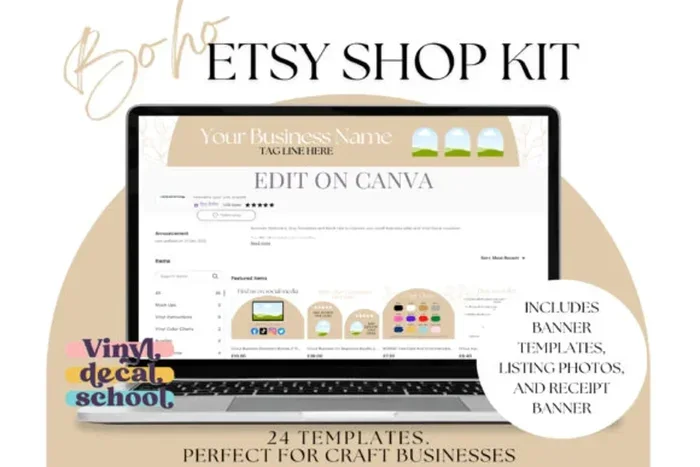
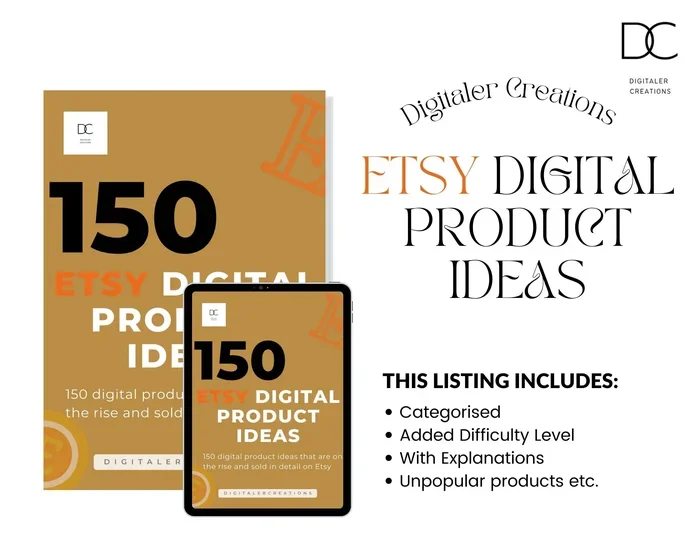
Visual guide about Etsy digital product shop
Image source: i.etsystatic.com
Key Takeaways
- Time Savings: The tool automates listing creation to save hours each week.
- SEO Help: Built-in keyword suggestions improve your shop visibility.
- Easy Setup: New sellers can start without coding or design skills.
- Pricing Value: Monthly costs stay low compared to hiring a virtual assistant.
- Template Library: Pre-made designs speed up your product launch process.
- Customer Support: Help teams respond quickly to seller questions.
- Best Fit: This tool works best for sellers with digital downloads.
[FEATURED_IMAGE_PLACEHOLDER]
Introduction
Running an Etsy shop takes time. You handle design, writing, uploads, and customer messages every day. Many sellers look for tools to cut down the workload. A digital product engine can help with that heavy load. This Digital Product Engine Review 2026 breaks down what the tool does. We look at real features, simple pricing, and daily use. You will see if it fits your shop style. The goal is simple. You want clear answers before you spend money.
What Is the Digital Product Engine?
The digital product engine is a software platform for online sellers. It helps you create, organize, and publish digital items. Etsy sellers use it for printables, planners, guides, and templates. The tool handles repetitive tasks so you can focus on growth. You do not need advanced tech skills to start. The interface uses simple menus and clear buttons. Many sellers like the clean layout. It feels easy to learn on day one.
Core Features
The platform offers a set of core tools for daily work. You get a listing builder, a keyword helper, and a file organizer. The listing builder guides you through titles, tags, and descriptions. The keyword helper suggests search terms based on your niche. The file organizer keeps your downloads neat and ready to ship. These features work together in one place. That saves you from jumping between apps.
Who Should Use It
This tool fits sellers who sell digital downloads. It also helps new shop owners who need a fast start. Experienced sellers can use it to speed up routine tasks. If you sell handmade physical items, the tool may still help with listings. But the strongest value stays with digital goods. Sellers with large catalogs benefit the most. You can process many items without extra stress.
Key Features for Etsy Sellers
Etsy sellers need three things most. They need visibility, speed, and consistency. The digital product engine aims to deliver all three. The listing tools help you write clear titles. The tag system supports better search placement. The description templates keep your tone steady. These small wins add up over time. You spend less time guessing and more time selling.
Listing Builder
The listing builder walks you through each step. You enter your product name first. Then you choose a category. Next, you add tags and a short description. The tool offers helpful prompts along the way. It also flags missing fields before you publish. That simple check reduces errors. Many sellers appreciate this safety net.
Keyword Suggestions
Search terms matter on Etsy. The keyword tool scans your niche and suggests relevant phrases. You can mix broad terms with specific long-tail phrases. This helps you reach buyers with clear intent. The suggestions stay practical and easy to use. You can test different options for each listing. Over time, you learn what works best.
Design Templates
Digital products often need a polished look. The template library gives you ready-made layouts. You can adapt them for planners, checklists, and guides. This cuts down design time a lot. You do not start from a blank page. You simply adjust colors, text, and images. The result looks clean and professional. New sellers gain confidence fast.
How It Helps Etsy Shop Growth
Growth on Etsy comes from steady improvement. You need better listings, faster workflows, and smart tracking. This Digital Product Engine Review 2026 shows how the tool supports those goals. The platform helps you keep your shop organized. It also reduces the chance of missed steps. That frees up time for marketing and customer service. Small improvements can lead to better sales over time.
Faster Workflow
Speed matters when you manage many items. The tool lets you reuse titles, tags, and descriptions. You can clone a listing and tweak it for a new product. This saves a lot of repetitive typing. You move from one task to the next with less friction. The workflow feels smoother and less tiring. Many sellers notice the time savings quickly.
Better Organization
A messy shop slows you down. The file organizer keeps your assets in clear folders. You can label files by product type or launch date. This makes updates easier later. You also spend less time searching for assets. Clean organization supports a calm workday. It also helps if you hire help later.
Consistent Branding
Buyers trust shops that feel consistent. The template system helps you keep a steady style. Your listings look related and thoughtful. That strong presentation can improve click-through rates. It also makes your shop feel more professional. Consistency does not require fancy design skills. You just need a clear system.
Pricing and Value for Sellers
Cost is a big decision for small shop owners. This section of the Digital Product Engine Review 2026 looks at pricing value. The tool uses a simple subscription model. That makes it easier to plan your monthly budget. You also avoid large upfront fees. For many sellers, this lowers the risk of trying a new tool. The key question is whether the time saved justifies the cost.
Monthly Cost
The base plan covers core listing and organization tools. This works well for solo sellers with moderate volume. The price stays predictable each month. You know what you will pay before you sign up. That clarity helps with budgeting. Many small sellers prefer this simple structure. It feels easier to manage than surprise charges.
Value Compared to Alternatives
Some sellers hire help for listing tasks. That can cost more over time. Other sellers use several separate apps. That can create extra login fatigue. This tool keeps many tasks in one place. For the right seller, that convenience has real value. It can reduce app switching and confusion. The best choice depends on your workflow.
Free Trial and Upgrades
A trial period helps you test the tool risk-free. You can try the main features before committing. If you grow later, you can move to a higher tier. That flexibility suits growing shops. You do not have to guess your long-term needs right away. Start small, then scale when ready.
Pros and Cons of Digital Product Engine
Every tool has strengths and limits. This part of the Digital Product Engine Review 2026 keeps things balanced. You get a clear view before you decide. The goal is to match the tool to your shop needs. A tool can be helpful and still not be the right fit. Honest comparisons help you choose wisely.
Pros
- Saves time: Automates repetitive listing tasks.
- Easy to learn: Simple menus for new users.
- SEO support: Keyword suggestions improve visibility.
- Templates: Ready-made designs speed up product creation.
- Organization: Keeps files and listings tidy.
Cons
- Digital focus: Best for downloads, less critical for physical goods.
- Learning curve: Some features take time to master.
- Subscription cost: Ongoing fee may matter for very small shops.
- Template limits: Designs may need extra customization.
Tips to Get the Best Results
Tools work best when you use them with a plan. This section shares practical tips from the Digital Product Engine Review 2026. You can apply these ideas right away. Small habits improve your results over time. The tool is only part of the picture. Your strategy matters just as much.
Start With a Niche
Pick one niche before you scale. Focus helps you create better listings faster. You can refine your tags and descriptions with more precision. A clear niche also makes template choices easier. You do not spread your energy too thin. This approach supports stronger shop identity.
Test Keywords Carefully
Do not rely on one set of tags forever. Test new keyword options on a few listings. Watch which terms bring more views. Keep what works and drop what does not. This simple testing habit improves your visibility. It also helps you learn your audience better.
Keep File Names Clean
Organized files save time during updates. Use clear names for each product asset. Add dates or version numbers when needed. This makes revisions easier later. It also helps if you work with a helper. Clean file habits reduce avoidable stress.
Use Templates Wisely
Templates are a starting point, not the finish line. Adjust them to match your brand voice. Add your own tips, colors, and layout touches. That makes your products feel unique. Buyers notice when items feel personal. A little customization goes a long way.
Common Mistakes to Avoid
Even good tools can be used poorly. This part of the Digital Product Engine Review 2026 highlights common mistakes. Avoiding these traps helps you get better results. You do not need perfection to succeed. You just need steady, smart habits.
Skipping Keyword Updates
Some sellers set tags once and forget them. Search trends change over time. Your listings should change too. Review your keywords every so often. Update weak spots and test fresh terms. This keeps your shop relevant.
Overloading Descriptions
Long blocks of text can confuse buyers. Keep descriptions clear and scannable. Use short paragraphs and simple points. Highlight the main benefits first. Buyers appreciate quick, useful info. Clear writing often performs better than fancy writing.
Ignoring Customer Questions
Tools help with listings, not relationships. Buyers still want helpful answers. Respond to questions with care. Clear communication builds trust. Trust can lead to repeat sales. A great listing still needs good service.
Expert Insights for Etsy Sellers
Expert sellers usually focus on consistency. They test, measure, and improve slowly. This Digital Product Engine Review 2026 reflects that mindset. The tool can support your work, but your strategy drives results. Think of the platform as a helper, not a magic fix. Sustainable growth comes from smart daily choices.
Focus on Quality
High-quality products still matter most. A fast listing tool cannot fix a weak product. Make sure your files are useful and polished. Check your layouts, instructions, and formatting. Quality builds reputation over time. Reputation builds sales.
Track What Matters
Pay attention to views, clicks, and conversions. These signals show how your listings perform. Use that information to improve weak areas. Small data checks can guide big improvements. You do not need complex dashboards to start. Simple tracking works well.
Scale Step by Step
Do not try to launch everything at once. Build a steady rhythm instead. Create a few strong listings, then expand. This keeps your workload manageable. It also helps you learn what sells. Slow growth can be strong growth.
Conclusion
This Digital Product Engine Review 2026 shows a tool built for speed, organization, and listing support. It can help Etsy sellers work smarter each day. The best results come when you combine the tool with a clear niche and solid product quality. If you sell digital downloads, the platform may save you real time. If you want a simpler workflow, it is worth a test run. The right tool should make your shop feel less stressful. Choose the option that matches your goals and budget.
Frequently Asked Questions
Is Digital Product Engine good for new Etsy sellers?
Yes, it can help new sellers start faster with simple listing tools and templates. The easy setup makes it a friendly option for beginners.
Does the tool create SEO-friendly listings?
It offers keyword suggestions and structured fields that support better search visibility. You still need to choose terms that fit your niche.
Can I use it for physical products too?
You can use the listing features for physical items, but the strongest value is for digital downloads. Many sellers still find the organization tools useful.
Is the pricing reasonable for small shops?
The subscription model keeps costs predictable for small shop owners. It may feel worthwhile if it saves you enough time each month.
Do I need design skills to use the templates?
No, the templates are made to be easy to adapt. You can adjust text, colors, and layout without advanced design skills.
What results should I expect in the first month?
Most sellers see better organization and faster listing work first. Sales growth depends on your product quality, niche, and marketing efforts.