God Mode is a powerful automation platform that deploys multiple AI bots to handle complex business tasks. You can use it to research markets, write content, build funnels, and manage daily operations. The system works like a team of digital workers that never sleep. If you want to scale faster with less manual effort, this tool deserves a close look.
This is a comprehensive guide about God Mode – Have an army of AI bots build businesses for you.
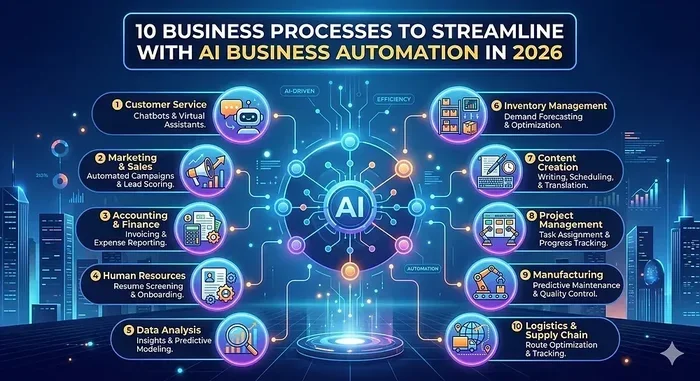
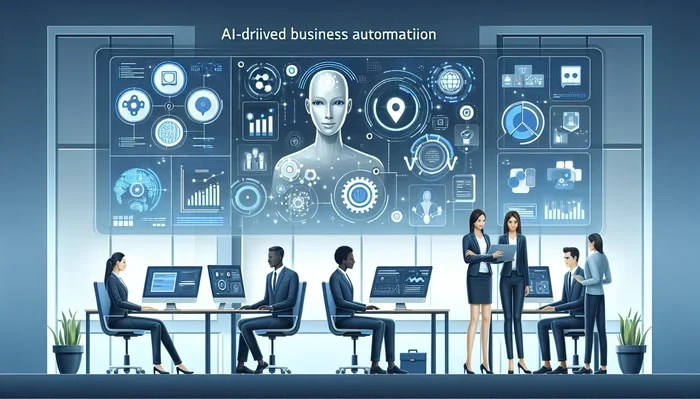
Visual guide about AI business automation concept
Image source: static.wixstatic.com
Key Takeaways
- God Mode overview: It is an AI automation platform that runs multiple bots to complete business tasks for you.
- Automation workflow: You set a goal, and the system breaks it into steps that AI agents handle one by one.
- Business building: The tool can help with market research, content creation, lead generation, and basic strategy work.
- Time savings: Teams use it to cut repetitive work and focus on high-value decisions.
- Integration friendly: It works alongside other AI writing tools, research platforms, and productivity apps.
- Best use cases: Solo founders, small teams, and marketers gain the most from fast, automated execution.
- Limitations to know: Human review still matters for quality control, brand voice, and final decisions.
[FEATURED_IMAGE_PLACEHOLDER]
Building a business used to mean long hours, endless checklists, and a small team trying to do everything. Today, a new wave of automation tools changes that story. God Mode sits at the center of that shift. It gives you a way to deploy an army of AI bots that can work on different parts of your business at the same time.
If you have ever wished you could clone yourself for a few hours, this idea will feel familiar. The promise is simple. You tell the system what you want. Then the AI agents plan, research, write, organize, and execute the steps. You stay in control of the goal. The bots handle much of the heavy lifting.
This article breaks down what God Mode is, how it works, and where it fits into a modern business workflow. You will also learn practical ways to use it, common mistakes to avoid, and how to pair it with other AI tools for better results.
What Is God Mode and Why It Matters
God Mode is an AI-powered automation interface that lets you assign complex tasks to multiple AI agents. Instead of asking one chatbot for a quick answer, you give the system a broader goal. The platform then splits that goal into smaller actions. Each AI bot focuses on a specific part of the job.
Think of it like managing a small team where every member has a clear role. One agent may research a topic. Another may draft content. A third may organize the results into a clean format. You do not need to micromanage every step. You guide the overall direction and review the output.
This matters because many business tasks are no longer single-step problems. A simple request like “build a launch plan” can involve audience research, messaging, channel selection, content planning, and follow-up sequencing. Doing all of that manually takes time. An AI automation workflow can move through those steps much faster.
The bigger value is speed and consistency. When you use God Mode well, you can test ideas quicker, draft more options, and reduce the drag of repetitive work. That does not mean the AI replaces strategy. It means you spend less time on execution friction and more time on decisions that actually move the business forward.
How the AI Army Concept Works
The phrase “army of AI bots” sounds dramatic, but the idea is straightforward. Each bot is a specialized assistant that handles a defined task. One bot may act like a researcher. Another may act like a writer. Another may act like an organizer or analyst. Together, they create a multi-step pipeline.
In practice, you usually start with a clear prompt or objective. You might say something like, “Plan a seven-day launch sequence for a new productivity tool.” The system then interprets that request and begins generating steps. It may outline the audience, suggest channels, draft messages, and arrange the pieces into a logical order.
A useful way to think about this is as a relay race. One agent passes its work to the next agent. The process keeps moving until the task reaches a finished state. You can often intervene at key points, adjust direction, or ask for revisions. That human-in-the-loop approach helps keep the output aligned with your real goals.
Where It Fits in Modern Business Workflows
God Mode is not a magic business generator. It is better to see it as an acceleration layer. It works best when you already know what you want to build and need help moving faster. It can support solo founders, small marketing teams, content creators, and operators who need to juggle many tasks at once.
For example, a founder might use it to draft a competitor analysis, then turn that analysis into a simple positioning summary. A marketer might use it to outline email sequences, social posts, and landing page copy. A content team might use it to turn one idea into several formats. The common thread is workflow speed.
It also fits well with other AI tools. If you already use AI writing tools, research platforms, or productivity helpers, God Mode can act as the coordination point. You can feed it a goal and let it hand off work to other systems or simply organize the results for you. That makes it a flexible piece of a larger AI stack.
Core Features That Make God Mode Useful
A tool like this stands or falls on how well it handles real work. The most useful features are the ones that reduce friction and make multi-step tasks feel manageable. Here are the core capabilities that matter most.
Multi-Agent Task Execution
The main draw is the ability to run several AI agents in a coordinated way. Instead of one long conversation thread, you get a structure that can handle different responsibilities at once. That can include research, drafting, sorting, summarizing, and reformatting.
This is especially helpful when a task has many moving parts. A business plan, campaign outline, or content pipeline is rarely a single prompt. It is a chain of smaller jobs. Multi-agent execution helps keep those jobs moving without forcing you to restart the process every time.
Natural Language Goal Setting
You do not need to learn a complex command system to get started. Most people can begin with plain language. You describe the result you want, and the system uses that direction to plan the next steps. The simpler and clearer your goal, the better the output tends to be.
This lowers the barrier for non-technical users. If you can explain the task to a teammate, you can usually explain it to the tool. That makes it easier to experiment with new ideas without a steep learning curve.
Iterative Refinement and Feedback Loops
Good automation does not stop at the first draft. The best workflows let you refine the output. You can ask for changes, request a different tone, narrow the focus, or reorganize the result. That feedback loop is important because AI output is a starting point, not always a final product.
This is where human judgment still matters. You may like the structure but not the wording. You may want more detail in one section and less in another. The ability to guide the process keeps the tool useful instead of rigid.
Organization and Output Formatting
A lot of AI assistance is useful, but messy output can slow you down. A strong automation tool should help structure the work. That might mean tables, checklists, outlines, summaries, or ready-to-use drafts. Clean formatting saves time because you can move straight into review or execution.
For business use, this matters a lot. A scattered brainstorm is okay in the early stage. But once you need to share work with a team or act on it, clarity is key. Organized output turns ideas into something you can use faster.
How to Use God Mode to Build and Grow a Business
The real question is not just what the tool does, but how you can use it to create value. The best results usually come from clear goals, tight prompts, and a repeatable process. Here are practical ways to put God Mode to work.
Market Research and Idea Validation
One of the strongest use cases is early-stage research. You can ask the system to explore a niche, compare common customer pain points, identify competing solutions, or outline a simple validation plan. This does not replace real customer conversations, but it can help you move from vague ideas to testable assumptions.
A helpful approach is to ask for multiple angles. For example, you might request a competitor overview, a customer objection list, and a set of potential positioning angles. That gives you a broader view before you commit to one direction.
Quick tips for research workflows:
- Define the audience clearly. A narrow audience usually produces more useful insights.
- Ask for competing viewpoints. Different angles help you avoid one-sided conclusions.
- Request next-step actions. Good research should lead to clear experiments or tasks.
Content Planning at Scale
Content is another area where multi-agent workflows can save time. You can use the tool to generate ideas, build outlines, draft drafts, and adapt one core idea into several formats. That is useful if you need a steady flow of posts, emails, scripts, or landing page copy.
For instance, you might start with one topic and ask for a blog outline, a short social caption, and an email version. The tool can help keep the message consistent while changing the format. If you want to go further, you can pair it with specialized helpers like an AI tool for blog outline work or an AI tool to rewrite text naturally when you need a cleaner final pass.
Practical content tips:
- Start with one strong idea. It is easier to repurpose one good concept than to force ten weak ones.
- Set tone and audience upfront. That reduces generic output.
- Review for brand voice. AI can draft fast, but your brand still needs a human touch.
Lead Generation and Outreach Support
Outreach often fails when it is too slow or too generic. God Mode can help you prepare outreach materials more quickly. You can draft message frameworks, identify angles based on a prospect profile, or organize a list of next steps for follow-up. The goal is not to spam people. The goal is to make your outreach more focused and less exhausting.
A good workflow is to define the ideal customer, the main value proposition, and the action you want the prospect to take. Then ask the system to produce a few message variations. You can test different openings, value statements, or calls to action. Over time, you can keep what works and discard what does not.
Operations and Repetitive Task Automation
Not every business task is creative. Many are repetitive and time-consuming. You can use automation to summarize notes, organize action items, prepare internal updates, or turn messy input into a cleaner format. That frees up attention for work that needs human judgment.
For example, if your team collects feedback from several sources, you can use the tool to consolidate the main themes. If you have long meeting notes, you can ask for a short action list. If you are comparing options, you can ask for a simple comparison summary. These small wins add up.
If you want to extend this further, you can connect the workflow with other helpers such as an AI tool for meeting notes or an AI PDF summarizer when you need to digest documents faster.
God Mode vs Traditional AI Chat Tools
It helps to compare this kind of platform with a standard chat interface. A regular chatbot is great for quick answers, one-off drafts, and simple questions. A multi-agent automation tool is better when the job has several stages and you want the system to carry more of the process.
The difference is similar to asking for advice versus assigning a project. A chatbot can tell you what to do. A workflow-style tool can help you move through the work itself. That does not make one better than the other in every case. It means they solve different problems.
When a Simple Chatbot Is Enough
Use a simple chat tool when you need a fast answer, a quick rewrite, or a short brainstorm. If the task is narrow, a long automation workflow may be overkill. For example, if you only need a caption rewrite or a one-paragraph summary, a basic AI chat may be the fastest route.
Simple chat also works well when you want to stay very hands-on. If you prefer to control every sentence yourself, a chatbot gives you more direct control. The tradeoff is that you do more of the work.
When God Mode Is the Better Choice
Choose a multi-agent workflow when the task is broad, repetitive, or dependent on several steps. Launch planning, content repurposing, research synthesis, and internal reporting are good examples. In those cases, the value comes from structure and continuity, not just a single answer.
This is also useful when you want to explore a task from multiple angles. Instead of asking one question and getting one response, you can set up a process that generates a fuller result. That can help you make better decisions because you see more of the landscape at once.
Quick Comparison
Here is a simple way to think about the tradeoff:
- Chatbot: Fast, direct, best for small tasks and quick drafts.
- God Mode style automation: Best for multi-step projects, coordinated output, and faster execution of bigger goals.
- Human review: Important in both cases, especially for accuracy, tone, and final decisions.
Best Practices for Getting Strong Results
A powerful tool still needs a smart operator. The quality of your results depends a lot on how you frame the work. These best practices can help you get more value from God Mode.
Write Clear Goals and Constraints
Vague goals produce vague output. If you want a strong result, tell the system what success looks like. Define the audience, the format, the length, the tone, and any limits you care about. The more precise the brief, the less guesswork the system has to do.
For example, instead of saying “make a marketing plan,” you might say, “Create a one-page launch plan for a small B2B tool aimed at remote teams. Include three channels, a simple message angle, and a seven-day action list.” That gives the workflow a much better target.
Break Big Projects Into Stages
Big goals work better when you split them. You can ask the system to handle research first, then planning, then drafting, then review. This makes it easier to catch issues early. It also lets you adjust direction before you invest too much time in the wrong path.
This staged approach is especially useful for business building. You do not need to solve everything in one pass. You can validate the idea, refine the message, and then build the assets. Each stage becomes more manageable.
Keep a Human Review Step
Even when the system is fast, human review is still important. Check for accuracy, tone, brand fit, and logical gaps. AI can be helpful and still miss important context. A quick review step protects you from publishing or acting on something that needs a final polish.
This is not about doubting the tool. It is about using it responsibly. The best results usually come from combining AI speed with human judgment.
Combine God Mode With Other AI Tools
A single platform rarely does everything perfectly. Many users get the best results by pairing tools. You might use one system for research, another for writing, and another for formatting or summarization. God Mode can serve as the coordinator while specialized tools handle specific jobs.
For example, you may want to use an best AI writing tools review list to find a strong drafting assistant, or an best AI productivity tools guide to round out your workflow. If your work involves video, you might also look at an best AI video generators resource for visual content support.
Common Mistakes to Avoid
Even a strong automation tool can disappoint if it is used poorly. Here are the most common pitfalls and how to avoid them.
Over-Automating Without Review
One mistake is assuming the output is finished just because it looks complete. Automation can produce polished-looking work that still needs correction. Always leave time for review, especially when the content will represent your brand or affect business decisions.
Using Vague Prompts
Another common issue is starting with a weak request. If the goal is too broad, the system has to guess too much. That often leads to generic output. Clear prompts save time and improve relevance.
Expecting the Tool to Replace Strategy
God Mode can speed up execution, but it does not replace business strategy. You still need to choose the right audience, the right offer, and the right priorities. Automation helps you move faster once those decisions are made.
Ignoring Brand Voice
AI output can sound neutral or overly generic. If you do not guide tone and style, the result may feel flat. Add brand notes, examples, or style preferences so the content fits your business better.
Forgetting to Test and Iterate
A first draft is not the final answer. The best workflows include testing. Try different prompts, compare outputs, and keep what works. Iteration is how you turn a useful tool into a reliable advantage.
Expert Insights and Realistic Expectations
The most successful users treat AI automation as a force multiplier, not a miracle. It works best when you already have a direction and want to move faster. If you are still figuring out what business to build, the tool can help you explore, but it will not decide for you.
It also helps to start small. Pick one workflow that is repetitive or time-consuming. Test it. Measure the time saved. Then expand from there. That approach is safer and more practical than trying to automate everything at once.
Another smart habit is to document what works. Save strong prompts. Note which settings produce better results. Build a small playbook for your team or your own use. Over time, that playbook becomes a reusable asset.
Finally, remember that the goal is not just speed. The goal is better use of your attention. If automation can remove friction from repetitive work, you can spend more time on customers, products, and growth. That is where the real value shows up.
Final Thoughts on God Mode and AI Business Building
God Mode represents a practical shift in how people work. Instead of treating AI as a one-question helper, you can use it as a coordinated system that supports larger business tasks. That makes it easier to research, plan, draft, organize, and move forward with less manual drag.
The best results come from clear goals, staged workflows, and thoughtful review. Use it to accelerate the work you already understand. Pair it with other tools when needed. Keep your strategy sharp and your brand voice human. Do that, and the “army of AI bots” becomes a useful team member rather than a gimmick.
If you are looking for a faster way to build business assets, test ideas, and reduce repetitive workload, this kind of automation is worth exploring. Start with one real project. Keep it focused. Improve the process as you go. That is usually the smartest path to real results.
Frequently Asked Questions
What exactly does God Mode do?
It is an AI automation interface that lets you assign broader business goals to multiple AI agents. The system breaks the goal into steps and helps carry out research, drafting, organization, and other tasks. You still guide the objective and review the results.
Can God Mode really build a business for me?
Not entirely. It can speed up many parts of the process, like research, planning, content creation, and task organization. But it does not replace strategy, customer validation, or human decision-making. Think of it as a strong acceleration tool, not a full business replacement.
Do I need technical skills to use it?
Usually no. Most people can start with plain language instructions and a clear goal. The easier it is to explain the task, the easier it is to get useful output. Some refinement helps, but the barrier is fairly low.
What kinds of tasks work best?
Multi-step tasks work best, such as market research, content planning, launch outlines, message drafting, and summarizing information. Simple one-line questions can often be handled by a regular chatbot, but bigger workflows benefit from a coordinated approach.
Is the output ready to publish right away?
Often it is a strong draft, but not always final. You should still check for accuracy, tone, brand fit, and logical gaps. A quick human review usually improves the result and reduces mistakes.
How do I get better results from it?
Use clear goals, define your audience, set format and tone preferences, and break big projects into stages. It also helps to iterate, save strong prompts, and combine the tool with other AI helpers when needed.